Challenges in Recycled Plastic Screening
Recycled plastic materials are highly heterogeneous, often containing mixed polymers, contaminants, and irregular particle shapes. These characteristics make efficient screening particularly challenging.
In early processing stages, materials may include oversized plastic pieces, labels, metals, and sand. At later stages, lightweight plastic flakes with uneven sizes require precise classification to ensure downstream quality.
Without properly selected screening equipment, recycling lines may suffer from low separation efficiency, screen blinding, and unstable throughput.
Why High-Efficiency Screening Matters in Plastic Recycling
High-efficiency screening directly affects the purity, recovery rate, and economic value of recycled plastics.
In modern recycling plants, screening equipment must not only handle high volumes but also adapt to changing material conditions. This is where vibrating screen technologies—especially circular and linear vibrating screens—play a critical role.
By selecting the correct screen type for each processing stage, recyclers can significantly improve line efficiency and operational stability.
Key Screening Requirements for Recycled Plastic Materials
To meet recycling process demands, screening systems must provide:
-
Accurate particle size separation
-
Stable performance under variable loads
-
Anti-clogging screen surfaces
-
High throughput with controlled vibration
-
Compatibility with wet or dry materials
Both circular vibrating screens and linear vibrating screens can be engineered to meet these requirements when correctly applied.
Screening Technologies Applied in Plastic Recycling Lines
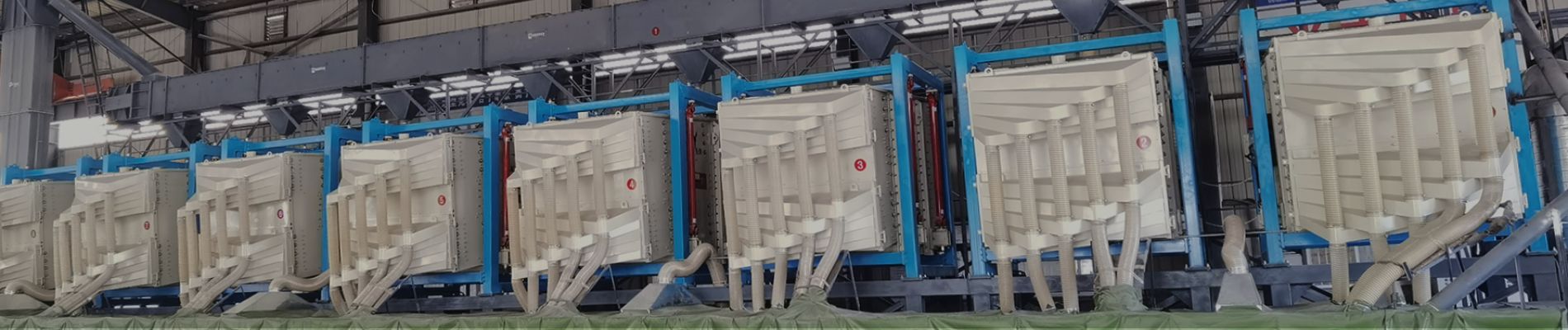
Circular Vibrating Screens for Pre-Screening and Primary Classification
Circular vibrating screens generate a circular motion that distributes material evenly across the screen surface. In plastic recycling lines, they are commonly used for:
-
Pre-screening mixed plastic waste
-
Removing oversized contaminants
-
High-capacity primary classification
Their robust structure and stable operation make circular vibrating screens well suited for high-load, continuous screening in early recycling stages.
Linear Vibrating Screens for Precision Separation
Linear vibrating screens operate with linear motion, allowing materials to move in a straight path along the screen surface. This design offers:
-
Higher screening accuracy
-
Better control of fine particle separation
-
Improved performance with wet or lightweight plastic flakes
In recycled plastic recovery, linear vibrating screens are often applied after washing or size reduction, where precise classification directly affects product quality.
Integrated Screening Solutions Using Circular and Linear Screens
High-efficiency plastic recycling lines typically combine different screening technologies rather than relying on a single machine.
A common solution layout includes:
-
Circular vibrating screens for high-capacity pre-screening
-
Linear vibrating screens for secondary or fine classification
-
Customized screen media to reduce blinding and material loss
This staged approach ensures both throughput and accuracy while minimizing energy consumption and maintenance requirements.
Operational Benefits of Vibrating Screen-Based Solutions
When circular and linear vibrating screens are properly integrated into plastic recycling systems, plants benefit from:
-
Higher usable plastic recovery rates
-
Consistent output particle size
-
Reduced downtime due to clogging or wear
-
Lower maintenance and operating costs
Compared with generic screening equipment, vibrating screen-based solutions offer greater flexibility and long-term reliability.
Choosing Between Circular and Linear Vibrating Screens
The choice between circular and linear vibrating screens depends on application-specific factors:
| Selection Factor | Circular Vibrating Screen | Linear Vibrating Screen |
|---|---|---|
| Material volume | High | Medium to high |
| Screening accuracy | Medium | High |
| Application stage | Pre-screening | Fine screening |
| Wet material handling | Moderate | Excellent |
In many recycling projects, both screen types are used together to achieve optimal results.
Typical Plastic Recycling Applications
-
PET bottle recycling systems
-
HDPE / PP flake recovery lines
-
Mixed plastic waste processing
-
Industrial plastic scrap recycling
Each application requires tailored screen configuration based on material properties and production goals.
Frequently Asked Questions
Which vibrating screen is better for recycled plastic?
Both circular and linear vibrating screens are used in plastic recycling. The best choice depends on material type, capacity, and required separation precision.
Can vibrating screens handle wet plastic flakes?
Yes. Linear vibrating screens are especially effective in wet screening applications after washing processes.
Selecting the Right Vibrating Screen Solution
Every recycled plastic recovery project presents unique challenges. Choosing the correct combination of circular and linear vibrating screens ensures high screening efficiency, stable operation, and long-term cost control.
Working with an experienced vibrating screen manufacturer allows recycling plants to implement custom-engineered screening solutions that align with their material characteristics and production targets.