Quick Answer: Tumbler Screen vs Vibrating Screen
If your application involves fine powders, fragile materials, or high-precision particle separation, a tumbler screen is generally the better choice. Its gentle tumbling motion allows materials to move smoothly across the screen surface, improving screening accuracy and reducing product damage.
A vibrating screen, on the other hand, is better suited for coarse materials and high-capacity screening tasks where speed and throughput are more important than precision.
In simple terms:
-
Tumbler screen: Best for fine powders and high-accuracy screening
-
Vibrating screen: Best for bulk materials and high production capacity
Understanding the differences between these two machines can help manufacturers select the most efficient screening solution for their specific production needs.
Introduction
In modern industrial production, particle size classification is a crucial step in many manufacturing processes. Whether in chemical processing, food production, pharmaceuticals, plastics, or mineral industries, proper powder screening ensures product quality, consistency, and production efficiency.
Two of the most commonly used screening machines are tumbler screens and vibrating screens. Although both devices are designed to separate materials based on particle size, they use different working principles and are suitable for different materials and production conditions.
Choosing the wrong screening equipment can result in:
-
Poor screening accuracy
-
Material damage
-
Reduced production efficiency
-
Increased maintenance costs
This article provides a complete comparison of tumbler screens and vibrating screens, including their working principles, advantages, applications, and key differences. By the end, you will understand which machine is the best option for fine powder screening applications.
What Is a Tumbler Screen?
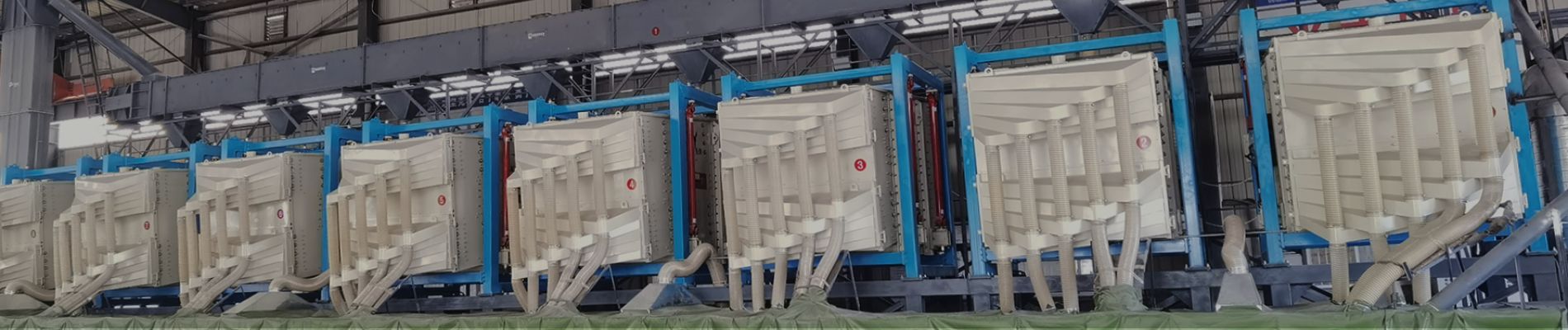
A tumbler screen is a high-precision screening machine designed to simulate the movement of manual hand sieving. Instead of using aggressive vibration, the machine produces a gentle tumbling motion that allows particles to move gradually across the screen surface.
This motion improves particle separation accuracy and reduces material damage, making tumbler screens ideal for fine powders and delicate materials.
Tumbler screens are commonly used in industries that require precise particle size control, such as food processing, pharmaceuticals, chemicals, and metal powders.
Key Characteristics of Tumbler Screens
Typical features include:
-
High screening accuracy (up to 95–99%)
-
Gentle material handling
-
Reduced mesh blockage
-
Low vibration and noise
-
Longer screen mesh lifespan
-
Multi-layer screening capability
Because of these advantages, tumbler screens are widely considered one of the best fine powder screening machines available.
How Does a Tumbler Screen Work?
The working principle of a tumbler screen is based on a three-dimensional elliptical motion generated by a drive system located at the center of the machine.
During operation:
-
Raw material is fed onto the center of the screening surface.
-
The machine generates a gentle tumbling motion.
-
Materials spread evenly across the screen mesh.
-
Fine particles pass through the mesh openings.
-
Larger particles move outward and are discharged.
This movement closely mimics the action of manual screening, allowing particles to remain on the screen surface longer. As a result, more particles have the opportunity to pass through the mesh, improving overall screening accuracy.
Another advantage is that the gentle movement helps reduce screen wear and material breakage, which is especially important when handling fragile powders.
What Is a Vibrating Screen?
A vibrating screen is one of the most widely used screening machines in industrial processing. It uses high-frequency vibration generated by motors or exciters to separate materials based on particle size.
The rapid vibration causes particles to bounce and stratify on the screen surface. Smaller particles fall through the mesh openings, while larger particles move along the screen until they exit through the discharge outlet.
Vibrating screens are commonly used in industries that handle bulk materials and high-throughput production, including mining, aggregates, coal processing, and construction materials.
Key Characteristics of Vibrating Screens
Typical advantages include:
-
High processing capacity
-
Simple and durable structure
-
Easy installation and maintenance
-
Lower initial equipment cost
-
Suitable for large particle materials
Because of their durability and efficiency, vibrating screens remain a standard screening solution in many industrial applications.
How Does a Vibrating Screen Work?
The working principle of a vibrating screen is based on mechanical vibration.
The machine is equipped with one or more vibration motors or exciters, which generate rapid oscillations that transfer energy to the screen deck.
During operation:
-
Material is fed onto the screening surface.
-
Vibrations cause particles to jump and move forward.
-
Smaller particles fall through the mesh openings.
-
Larger particles travel along the screen and exit through the discharge outlet.
The constant vibration helps prevent material buildup and keeps the screen surface clean. This makes vibrating screens particularly effective for high-volume material processing.
However, the aggressive vibration may sometimes cause particle breakage or lower screening precision when handling fine powders.
Tumbler Screen vs Vibrating Screen: Key Differences
Although both machines perform particle size separation, they differ significantly in their motion, accuracy, and typical applications.
Below is a comparison of the most important differences.
| Feature | Tumbler Screen | Vibrating Screen |
|---|---|---|
| Motion Type | Gentle tumbling motion | High-frequency vibration |
| Screening Accuracy | Very high | Moderate |
| Best Particle Size | Fine and ultra-fine powders | Medium to coarse particles |
| Material Movement | Smooth rolling motion | Jumping and stratification |
| Noise Level | Low | Higher |
| Mesh Lifespan | Longer | Shorter |
| Material Damage | Minimal | Possible with fragile materials |
The primary difference lies in screening precision versus processing speed. Tumbler screens focus on accuracy, while vibrating screens prioritize throughput.
Advantages of Tumbler Screens
Tumbler screens offer several advantages when processing fine powders.
1. High Screening Accuracy
The tumbling motion allows particles to remain on the screen surface longer, increasing the probability that correctly sized particles pass through the mesh.
This results in more precise particle size classification.
2. Gentle Handling of Fragile Materials
Unlike vibrating screens, tumbler screens operate with low acceleration, which minimizes particle breakage.
This is particularly beneficial for:
-
food powders
-
pharmaceutical ingredients
-
fragile chemical materials
3. Longer Screen Mesh Life
The gentle motion reduces mechanical stress on the screen mesh, which can significantly extend its service life.
This reduces maintenance costs and downtime.
4. Low Noise Operation
Because the machine produces minimal vibration, tumbler screens operate more quietly than many other industrial screening machines.
This contributes to a better working environment in manufacturing facilities.
Advantages of Vibrating Screens
Despite the benefits of tumbler screens, vibrating screens remain an essential screening solution for many industries.
1. High Throughput Capacity
Vibrating screens can process large volumes of materials quickly, making them ideal for high-capacity production lines.
2. Simple and Durable Design
The mechanical structure of a vibrating screen is relatively simple, making it reliable and easy to maintain.
3. Lower Initial Investment
Compared with high-precision screening machines, vibrating screens typically require a lower upfront cost, which can be attractive for budget-conscious operations.
4. Wide Industrial Applications
Vibrating screens are commonly used in:
-
mining and minerals
-
sand and aggregates
-
coal processing
-
fertilizer production
-
construction materials
Tumbler Screen vs Vibrating Screen for Fine Powder
When it comes to fine powder screening, tumbler screens usually provide superior performance.
Fine powders often have characteristics such as:
-
small particle size
-
low density
-
strong adhesion
-
tendency to agglomerate
These properties can make them difficult to screen using traditional vibrating equipment.
The gentle tumbling motion of a tumbler screen helps:
-
evenly distribute particles on the screen surface
-
reduce mesh blockage
-
improve separation accuracy
As a result, tumbler screens are widely used for high-precision powder classification in industries that require strict particle size control.
Cost Comparison: Tumbler Screen vs Vibrating Screen
Cost is often an important factor when selecting screening equipment.
Initial Equipment Cost
Generally speaking, vibrating screens have lower purchase costs because of their simpler mechanical design.
Tumbler screens, which offer higher precision and more complex mechanisms, may require a higher initial investment.
Operating and Maintenance Costs
However, tumbler screens may provide cost advantages over time due to:
-
longer mesh life
-
lower maintenance frequency
-
reduced material loss
Therefore, the total cost of ownership should be considered rather than only the initial purchase price.
Best Applications for Each Screening Machine
The best screening machine depends largely on the material type and production requirements.
Industries That Use Tumbler Screens
Tumbler screens are commonly used in industries that require fine powder classification.
Typical applications include:
-
food powders (flour, sugar, milk powder)
-
pharmaceutical powders
-
chemical powders
-
metal powders
-
plastic particles
These industries often require precise particle size control, making tumbler screens an ideal choice.
Industries That Use Vibrating Screens
Vibrating screens are widely used for coarse materials and bulk processing.
Common applications include:
-
mining operations
-
sand and aggregates
-
coal processing
-
fertilizer production
-
building materials
In these industries, high throughput and durability are usually more important than ultra-fine screening precision.
How to Choose the Right Screening Machine
Selecting the right screening equipment requires careful consideration of several factors.
1. Particle Size
Fine powders usually require high-precision screening, which favors tumbler screens.
2. Material Properties
Materials that are fragile, lightweight, or sticky may benefit from the gentle motion of tumbler screens.
3. Production Capacity
For extremely large material volumes, vibrating screens may offer higher throughput.
4. Screening Accuracy
If your production process requires strict particle size classification, a tumbler screen will typically provide better results.
5. Budget and Maintenance
While vibrating screens may cost less initially, tumbler screens can sometimes reduce long-term operating costs.
Conclusion
Both tumbler screens and vibrating screens play important roles in industrial screening processes. However, they are designed for different types of materials and production requirements.
Tumbler screens are ideal for fine powder applications that require high screening accuracy and gentle material handling.
Vibrating screens are better suited for coarse materials and high-capacity processing environments.
By understanding the differences between these two machines, manufacturers can choose the screening solution that best meets their production needs, material characteristics, and budget considerations.
Frequently Asked Questions
Q1: What is the main difference between a tumbler screen and a vibrating screen?
The main difference is the motion used to separate materials. Tumbler screens use a gentle tumbling movement, while vibrating screens rely on high-frequency vibration.
Q2: Which screening machine is best for fine powders?
For most fine powder applications, a tumbler screen provides higher screening accuracy and better material protection.
Q3: Can vibrating screens be used for powder screening?
Yes, vibrating screens can handle powders, but their screening accuracy may be lower compared to tumbler screens for ultra-fine materials.
Q4: Are tumbler screens more expensive?
Tumbler screens usually have a higher initial cost, but they may offer lower maintenance costs and longer mesh life over time.
Q5: What industries use tumbler screens?
Common industries include food processing, pharmaceuticals, chemical manufacturing, metal powder processing, and plastics production.