Fine screening plays a critical role in industries where product quality, consistency, and safety are non-negotiable. In sectors such as food processing, chemical manufacturing, and pharmaceuticals, traditional screening methods often struggle with fragile materials, fine powders, and strict hygiene requirements.
A tumbler screener has emerged as a preferred solution for these challenges. Thanks to its gentle screening motion and high separation accuracy, it is widely used across multiple industries that demand precise particle classification with minimal material degradation.
This article explores how tumbler screeners are applied in the food, chemical, and pharmaceutical industries, the specific problems they solve, and why they are increasingly chosen over conventional vibrating screens.
What Is a Tumbler Screener?
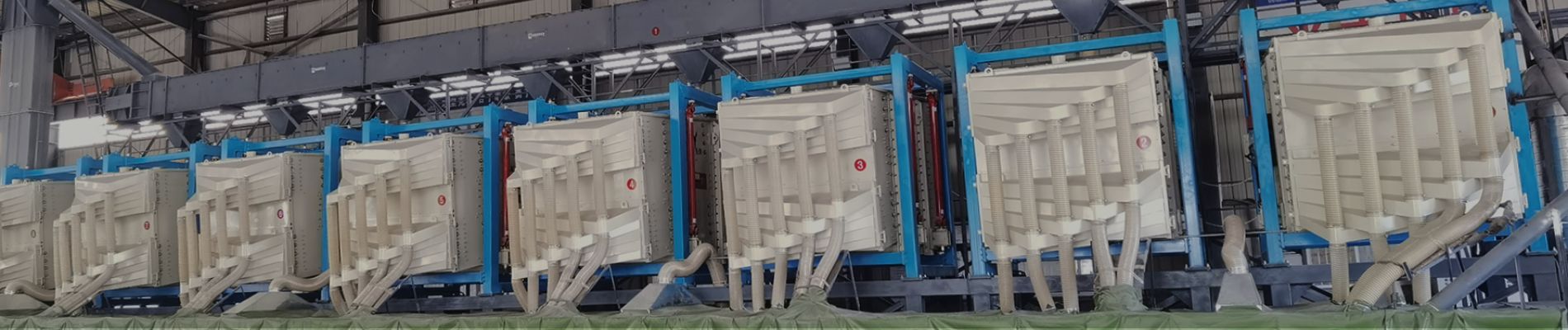
A tumbler screener is a type of fine screening equipment designed for precise separation of powders and granules. Unlike conventional vibrating screens that rely on high-frequency vertical vibration, a tumbler screener uses a three-dimensional elliptical motion.
Basic Working Principle
The screening motion combines:
-
Circular movement
-
Horizontal displacement
-
Gentle tilting action
This movement causes the material to tumble and spread evenly across the screen surface, closely simulating manual sieving. As a result, particles have more opportunities to pass through the mesh openings without being forced aggressively.
Why It Is Ideal for Fine and Fragile Materials
Because of its low acceleration and controlled motion, a tumbler screener:
-
Reduces particle breakage
-
Prevents shape deformation
-
Improves screening efficiency for fine powders
-
Minimizes screen blinding and material buildup
These characteristics make it especially suitable for industries handling sensitive or high-value materials.
Food Industry Applications of Tumbler Screeners
Typical Food Materials Screened
In food processing plants, tumbler screeners are commonly used to screen:
-
Flour and starch
-
Milk powder and protein powders
-
Sugar, salt, and seasoning blends
-
Spices and food additives
The equipment is used for both contaminant removal and particle size control, ensuring consistent product quality before packaging or further processing.
Key Benefits for Food Processing
Food manufacturers favor tumbler screeners for several reasons:
-
Smooth internal surfaces that reduce product residue
-
Low noise and low dust emission, improving the working environment
-
Gentle handling that preserves product texture and appearance
These advantages help maintain product integrity while supporting efficient production.
Hygiene and Food Safety Considerations
Food applications demand strict hygiene standards. Tumbler screeners can be designed with:
-
Food-grade stainless steel (SUS304 or SUS316L)
-
Quick-release clamps for fast disassembly
-
Fully enclosed structures to prevent external contamination
Such features make them suitable for production lines where cleanliness and cross-contamination control are critical.
Chemical Industry Applications of Tumbler Screeners
Common Chemical Materials
In the chemical industry, tumbler screeners are widely used for:
-
Resin powders and plastic granules
-
Pigments and dyes
-
Catalysts and functional additives
These materials often require multi-stage classification and stable screening performance.
Screening Challenges in Chemical Processing
Chemical powders frequently present challenges such as:
-
Agglomeration and caking
-
Static electricity buildup
-
Strict particle size distribution requirements
Traditional vibrating screens may cause excessive wear, product loss, or inconsistent separation under these conditions.
How Tumbler Screeners Address These Challenges
Tumbler screeners provide effective solutions by:
-
Allowing multi-deck configurations for multiple size fractions
-
Maintaining a stable screening trajectory, even with fine powders
-
Reducing mesh clogging through controlled material movement
This makes them ideal for high-precision chemical screening and classification tasks.
Pharmaceutical Industry Applications of Tumbler Screeners
Pharmaceutical Materials and Processes
In pharmaceutical manufacturing, tumbler screeners are used for:
-
Active pharmaceutical ingredients (APIs)
-
Granules for tablet compression
-
Powder preparation before coating or encapsulation
Uniform particle size is essential to ensure dosage accuracy and product consistency.
GMP and Regulatory Compliance
Pharmaceutical applications require strict adherence to GMP and other regulatory standards. Tumbler screeners can be engineered to meet these requirements through:
-
Fully enclosed, dust-tight designs
-
Polished internal surfaces for easy validation
-
Hygienic welds and minimal dead zones
These features support compliance with regulatory inspections and quality audits.
Why Gentle Screening Matters in Pharma
Excessive vibration can damage active ingredients or alter particle characteristics. Gentle tumbler screening:
-
Preserves the functional properties of APIs
-
Improves batch-to-batch consistency
-
Enhances overall product quality
For this reason, tumbler screeners are often preferred in sensitive pharmaceutical processes.
Key Advantages of Tumbler Screeners Across Industries
Across food, chemical, and pharmaceutical applications, tumbler screeners offer consistent benefits:
-
High screening accuracy for fine particles
-
Minimal material degradation
-
Effective dust control and enclosed operation
-
Flexible multi-deck screening capability
-
Easy cleaning and maintenance
These advantages contribute to higher yield, reduced waste, and improved process reliability.
How to Choose the Right Tumbler Screener for Your Industry
Material Characteristics
When selecting a tumbler screener, consider:
-
Particle size range
-
Bulk density
-
Moisture content
-
Fragility and flowability
These factors directly affect screening performance and equipment configuration.
Capacity and Accuracy Requirements
Key selection criteria also include:
-
Required throughput
-
Number of separation grades
-
Desired screening precision
Matching capacity and accuracy ensures optimal performance without overloading the machine.
Industry-Specific Configuration Options
Different industries may require customized features:
-
Food and pharmaceutical applications often require quick-clean designs
-
Chemical applications may need anti-static or corrosion-resistant materials
Choosing the right configuration improves efficiency and compliance.
Best Practices for Operation and Maintenance
Daily Operation Tips
-
Ensure even material feeding
-
Avoid overloading the screen surface
Cleaning and Inspection
-
Inspect screen meshes regularly
-
Clean sealing components to maintain dust control
Extending Equipment Service Life
-
Replace wear parts on schedule
-
Follow proper shutdown and storage procedures
Routine maintenance helps maintain consistent screening quality and prolongs machine lifespan.
Frequently Asked Questions
Is a tumbler screener better than a vibrating screen for fine powders?
Yes, tumbler screeners are generally better for fine or fragile powders due to their gentle screening motion and higher accuracy.
Can a tumbler screener meet food and pharmaceutical standards?
With appropriate design and materials, tumbler screeners can meet food-grade and GMP requirements.
What particle size range is suitable for tumbler screening?
Tumbler screeners are commonly used for fine to medium particle sizes, often ranging from tens of microns to several millimeters.
How many decks can a tumbler screener have?
Depending on the design, a tumbler screener can typically be configured with multiple decks to achieve several separation grades in one process.
Conclusion
Tumbler screeners play a vital role in food, chemical, and pharmaceutical industries, where precise screening, gentle material handling, and hygiene are essential. Their unique motion, high efficiency, and adaptability make them a reliable solution for fine powder and granular material processing.
By selecting the right configuration and following best operating practices, manufacturers can significantly improve product quality, production efficiency, and process stability.