
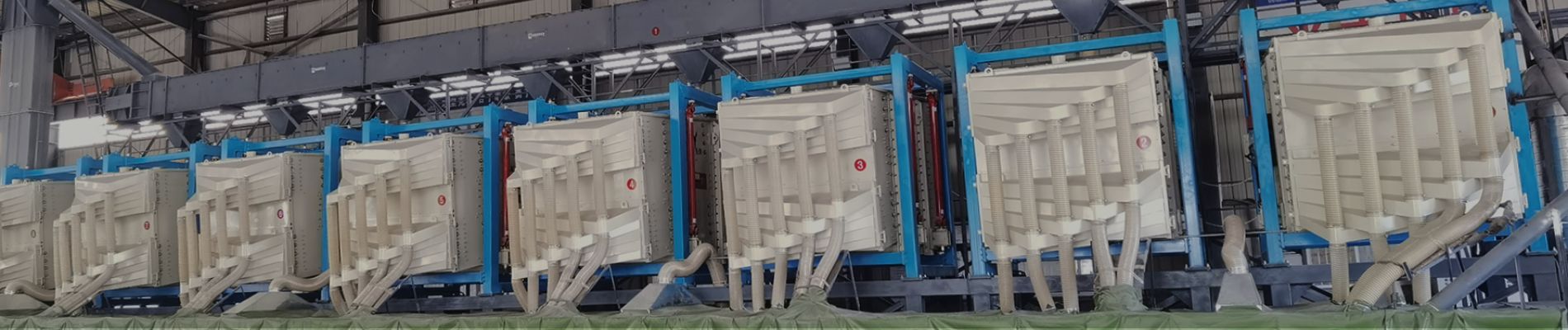
Why Vibratory Conveyors Are Widely Used in Modern Material Handling
In many industrial material handling systems, conveying efficiency is not just about moving materials from point A to point B. Problems such as material buildup, excessive wear, frequent maintenance, and unstable flow often become bottlenecks in production lines—especially when handling bulk, abrasive, hot, or irregular materials.
This is where vibratory conveyors stand out. Instead of relying on belts, chains, or screws, vibratory conveyors use controlled vibration to move materials smoothly and predictably. This conveying method minimizes direct mechanical contact, reduces wear-prone components, and allows materials to flow in a controlled manner without rotating parts.
As industries demand higher reliability, lower maintenance costs, and greater flexibility in material handling, vibratory conveyors have become an essential solution in mining, metallurgy, food processing, chemical plants, and recycling facilities. Their ability to handle challenging materials under demanding operating conditions makes them a preferred choice for many modern processing systems.
What Is a Vibratory Conveyor?
A vibratory conveyor is a type of material handling equipment that transports bulk materials using vibration rather than continuous mechanical motion. By generating controlled vibratory movement along a conveyor trough or pan, the system moves materials forward in small, repeated increments.
Vibratory conveyors are commonly used for conveying, feeding, spreading, or distributing materials over short to medium distances. They are especially effective for handling hot, abrasive, fragile, or irregularly shaped materials that may be difficult to transport using traditional belt or screw conveyors.
Unlike conventional conveyor systems, a vibratory conveyor offers precise control over material flow while maintaining a simple mechanical structure. This combination makes it well suited for applications where reliability, cleanliness, and low maintenance are critical.
How Does a Vibratory Conveyor Work?
A vibratory conveyor operates by applying controlled vibration to a conveying surface, causing materials to move forward in a continuous and predictable manner. The movement is the result of carefully balanced vibration parameters rather than direct mechanical pushing or pulling.
Basic Vibration Principle
The vibration in a vibratory conveyor is generated by a drive system, such as an electromagnetic drive or an unbalanced motor. This drive produces oscillating forces that cause the conveyor trough to vibrate at a specific frequency and amplitude.
The vibration is typically directed at a slight angle to the horizontal plane. This directional vibration creates a combination of vertical lifting and horizontal motion, which allows materials to advance along the conveyor surface.
How Materials Move on the Conveyor Surface
As the conveyor vibrates, materials experience a rapid sequence of lifting, sliding, and settling motions. Each vibration cycle moves the material forward by a small distance. When these cycles repeat continuously, the material flows smoothly along the trough.
Depending on the design and operating parameters, materials may move in a micro-throwing motion or a controlled sliding motion. This gentle conveying action is particularly beneficial for fragile materials or applications requiring uniform and stable material flow.
Key Operating Parameters
The performance of a vibratory conveyor is determined by several key parameters:
-
Amplitude: Controls the intensity of vibration and the forward movement of material
-
Frequency: Determines how often vibration cycles occur
-
Conveying angle: Influences material speed and stability on the trough
-
Trough surface design: Affects friction and material flow behavior
By adjusting these parameters, vibratory conveyors can be precisely tuned to match different materials and process requirements, ensuring efficient and reliable operation.
Looking for a Custom Vibratory Conveyor Solution?
Choosing the right vibratory conveyor is not just about selecting a standard model — it requires a clear understanding of your material characteristics, production capacity, and operating environment. An improperly designed conveying system can lead to material buildup, excessive wear, or unstable operation.
At GMX, we specialize in engineered vibratory conveying solutions for demanding industrial applications. Our team works closely with clients to design and manufacture vibratory conveyors that are tailored to specific materials, layouts, and process requirements.
Whether you need a heavy-duty vibratory conveyor for mining and aggregate processing, or a precision conveying solution for industrial materials, GMX provides reliable equipment backed by engineering expertise and practical field experience.
Contact GMX today to discuss your application and receive professional guidance on selecting or customizing the right vibratory conveyor for your operation.
Main Components of a Vibratory Conveyor
A vibratory conveyor consists of several key components that work together to generate controlled vibration and ensure stable material transport. While designs may vary depending on application and capacity, the fundamental components remain largely the same.
Conveyor Trough or Pan
The conveyor trough, also known as the pan, is the surface on which materials are conveyed. It is typically fabricated from carbon steel, stainless steel, or wear-resistant alloys, depending on the material characteristics and operating environment.
The trough design can be customized in terms of length, width, shape, and surface finish to accommodate different materials, such as hot castings, abrasive minerals, or fragile food products.
Vibration Drive System
The vibration drive system is the heart of the vibratory conveyor. It generates the oscillating forces required to move materials along the trough. Common drive types include electromagnetic drives and unbalanced motor drives.
The choice of drive system affects conveying capacity, energy efficiency, controllability, and maintenance requirements, making it a critical consideration during system design.
Springs and Isolation System
Springs or elastic elements support the conveyor trough and allow it to vibrate freely while isolating vibration from the supporting structure. Common options include coil springs, rubber springs, or composite isolation systems.
This system helps reduce noise, absorb vibration energy, and protect foundations and surrounding equipment from excessive vibration.
Support Frame and Base
The support frame provides structural stability and maintains proper alignment of the conveyor system. It must be designed to withstand continuous dynamic loads and environmental conditions such as heat, dust, or moisture.
A well-designed support structure contributes to long-term operational stability and reduced maintenance requirements.
Types of Vibratory Conveyors
Vibratory conveyors can be classified into different types based on their drive mechanism, load capacity, and application requirements. Understanding these types helps users select the most suitable conveying solution.
Electromagnetic Vibratory Conveyor
Electromagnetic vibratory conveyors use an electromagnetic drive to generate vibration. They are known for precise control of conveying speed and are well suited for applications requiring accurate material flow regulation.
These conveyors are commonly used in light to medium-duty applications, such as feeding, dosing, and conveying small to moderate volumes of material.
Motor-Driven Vibratory Conveyor
Motor-driven vibratory conveyors use unbalanced motors to create vibratory motion. They are robust, capable of handling higher loads, and suitable for continuous operation in demanding industrial environments.
This type is widely used in mining, metallurgy, and aggregate processing where high capacity and durability are essential.
Heavy-Duty Vibratory Conveyor
Heavy-duty vibratory conveyors are designed for extreme operating conditions, including high temperatures, abrasive materials, and large material volumes. They feature reinforced troughs, powerful drive systems, and heavy-duty isolation components.
These conveyors are often used to transport hot castings, slag, ores, or bulk materials directly from processing equipment.
Light-Duty and Precision Vibratory Conveyors
Light-duty vibratory conveyors are optimized for applications requiring gentle material handling and precise control. They are commonly used in food processing, chemical, pharmaceutical, and packaging industries.
Their compact design and controlled vibration help minimize product damage and maintain consistent material flow.
Applications of Vibratory Conveyors
Vibratory conveyors are used across a wide range of industries where controlled, reliable, and low-maintenance material transport is required. Their ability to handle difficult materials and operate under demanding conditions makes them a versatile solution in many processing systems.
Mining and Aggregate Processing
In mining and aggregate operations, vibratory conveyors are commonly used to transport ores, crushed stone, sand, and gravel between processing stages. They are particularly effective in handling abrasive materials and high-impact loads, where traditional belt conveyors may experience excessive wear.
Their simple mechanical design and resistance to clogging make them suitable for continuous operation in harsh environments.
Metallurgy and Foundry Operations
Vibratory conveyors are widely used in metallurgy and foundry applications to convey hot castings, metal scrap, and slag. Because they can operate without belts or chains, they perform reliably at elevated temperatures where conventional conveying systems may fail.
The controlled vibration also helps cool materials during conveying, contributing to safer and more efficient handling processes.
Food, Chemical, and Pharmaceutical Industries
In food, chemical, and pharmaceutical processing, vibratory conveyors are valued for their gentle handling and hygienic design. They are used to convey powders, granules, and small bulk materials while maintaining product integrity and consistent flow.
Stainless steel construction and smooth trough surfaces make them suitable for applications with strict cleanliness requirements.
Recycling and Waste Processing
In recycling and waste processing facilities, vibratory conveyors are used to transport mixed materials, separated fractions, and industrial by-products. Their ability to handle irregular shapes and varying material compositions makes them ideal for these applications.
Vibratory conveyors also support efficient sorting and separation processes when integrated with screening or classification equipment.
Vibratory Conveyor vs Other Conveying Equipment
Choosing the right conveying equipment depends on material characteristics, operating conditions, and production requirements. Understanding how vibratory conveyors compare with other common conveying systems helps ensure the correct solution is selected.
Vibratory Conveyor vs Belt Conveyor
Belt conveyors transport materials using a continuous moving belt, making them suitable for long-distance conveying and high-speed transport. However, they rely on multiple moving parts and are more susceptible to wear when handling abrasive or hot materials.
In contrast, vibratory conveyors use controlled vibration and have fewer wear components. They are better suited for short to medium distances, high-temperature materials, and applications requiring precise flow control.
Vibratory Conveyor vs Screw Conveyor
Screw conveyors move materials using a rotating screw within a trough. They are compact and effective for enclosed conveying but may cause material degradation and experience higher wear when handling abrasive or fragile materials.
Vibratory conveyors provide gentler material handling and are easier to clean, making them a preferred choice for applications involving delicate or hygiene-sensitive materials.
When a Vibratory Conveyor Is the Better Choice
A vibratory conveyor is often the preferred solution when:
-
Materials are abrasive, hot, or irregularly shaped
-
Gentle handling is required to prevent product damage
-
Low maintenance and high reliability are priorities
-
Precise control of material flow is needed
Comparison Summary
| Conveyor Type | Conveying Method | Suitable Materials | Typical Distance | Maintenance Level |
|---|---|---|---|---|
| Vibratory Conveyor | Vibration | Hot, abrasive, fragile materials | Short to medium | Low |
| Belt Conveyor | Continuous belt | General bulk materials | Long | Medium |
| Screw Conveyor | Rotating screw | Powders and fine materials | Short | Medium to high |
Advantages and Limitations of Vibratory Conveyors
Vibratory conveyors offer several important advantages in industrial material handling, but they are not a universal solution for every conveying task. Understanding both their strengths and limitations helps engineers and buyers make informed decisions.
Key Advantages of Vibratory Conveyors
Low Maintenance and High Reliability
Vibratory conveyors have a simple mechanical structure with few moving parts. The absence of belts, chains, or rotating screws significantly reduces wear and maintenance requirements, resulting in high operational reliability.
Gentle and Controlled Material Handling
The controlled vibration allows materials to move smoothly along the conveyor surface. This makes vibratory conveyors ideal for handling fragile, irregular, or easily damaged materials without degradation.
Suitable for Harsh Operating Conditions
Vibratory conveyors perform well in environments involving high temperatures, abrasive materials, dust, or moisture. They are commonly used where conventional conveying systems struggle to operate reliably.
Precise Flow Control
By adjusting vibration parameters such as amplitude and frequency, material flow can be accurately controlled. This is especially beneficial for feeding, dosing, and distribution applications.
Flexible Design and Customization
Vibratory conveyors can be customized in terms of trough shape, size, material, and drive system to meet specific application requirements.
Limitations of Vibratory Conveyors
Limited Conveying Distance
Vibratory conveyors are generally more suitable for short to medium conveying distances. For long-distance transport, belt conveyors are often more efficient and cost-effective.
Lower Conveying Speed
Compared with high-speed belt conveyors, vibratory conveyors typically operate at lower material transport speeds, which may not be ideal for certain high-throughput applications.
Application-Specific Design Requirements
To achieve optimal performance, vibratory conveyors often require application-specific engineering. Material characteristics, capacity requirements, and operating conditions must be carefully considered during design.
Higher Initial Engineering Effort
While operating costs are generally low, the initial design and setup may require more engineering input compared with standard conveyor systems.
When the Advantages Outweigh the Limitations
Vibratory conveyors are the preferred choice when reliability, gentle handling, and low maintenance are more important than conveying speed or distance. In many industrial processes, these advantages result in lower total cost of ownership and more stable long-term operation.
How to Choose the Right Vibratory Conveyor
Selecting the right vibratory conveyor is not only about choosing a standard piece of equipment—it is about matching the conveying system to your specific material, process, and operating environment. A well-selected vibratory conveyor improves efficiency, reduces downtime, and lowers long-term operating costs.
The following factors should be carefully evaluated during the selection process.
Material Characteristics
Material properties are the most important factor in vibratory conveyor selection. Parameters such as particle size, bulk density, abrasiveness, moisture content, and temperature directly influence trough design, drive selection, and operating parameters.
For example, abrasive materials may require wear-resistant trough linings, while hot materials demand heat-resistant construction and suitable isolation systems.
Required Capacity and Conveying Distance
Production requirements determine the size and type of vibratory conveyor. Higher capacities may require wider or longer troughs, more powerful drive systems, or multiple conveyors operating in parallel.
Vibratory conveyors are best suited for short to medium conveying distances. For longer transport lengths, alternative conveying systems may need to be considered or combined with vibratory equipment.
Operating Environment and Installation Conditions
Environmental conditions such as dust, humidity, temperature, and available installation space should be considered early in the design stage. Vibratory conveyors can be designed for indoor or outdoor use, but proper isolation and support structures are essential to ensure stable operation.
Foundation strength and surrounding equipment layout also influence the final design.
Drive System and Control Requirements
Choosing the appropriate drive system—electromagnetic or motor-driven—depends on the required level of control and operating conditions. Applications requiring precise flow regulation often benefit from electromagnetic drives, while heavy-duty operations may favor motor-driven systems.
Control options such as variable frequency drives or adjustable controllers allow fine-tuning of conveying performance.
Maintenance and Total Cost of Ownership
Beyond initial purchase cost, long-term operating expenses should be considered. A vibratory conveyor with a simple structure, reliable components, and easy access for maintenance typically offers lower total cost of ownership over its service life.
Selecting proven designs and quality components reduces downtime and maintenance frequency.
Standard Equipment vs Custom-Engineered Solutions
While standard vibratory conveyors may be suitable for simple applications, many industrial processes benefit from custom-engineered solutions. Tailored designs ensure optimal performance, especially when handling challenging materials or operating under unique conditions.
In many cases, working with an experienced vibratory conveyor manufacturer allows you to optimize system performance while avoiding costly design mistakes.
Looking for a Custom Vibratory Conveyor Solution?
Choosing the right vibratory conveyor is not just about selecting a standard model — it requires a clear understanding of your material characteristics, production capacity, and operating environment. An improperly designed conveying system can lead to material buildup, excessive wear, or unstable operation.
At GMX, we specialize in engineered vibratory conveying solutions for demanding industrial applications. Our team works closely with clients to design and manufacture vibratory conveyors that are tailored to specific materials, layouts, and process requirements.
Whether you need a heavy-duty vibratory conveyor for mining and aggregate processing, or a precision conveying solution for industrial materials, GMX provides reliable equipment backed by engineering expertise and practical field experience.
Contact GMX today to discuss your application and receive professional guidance on selecting or customizing the right vibratory conveyor for your operation.